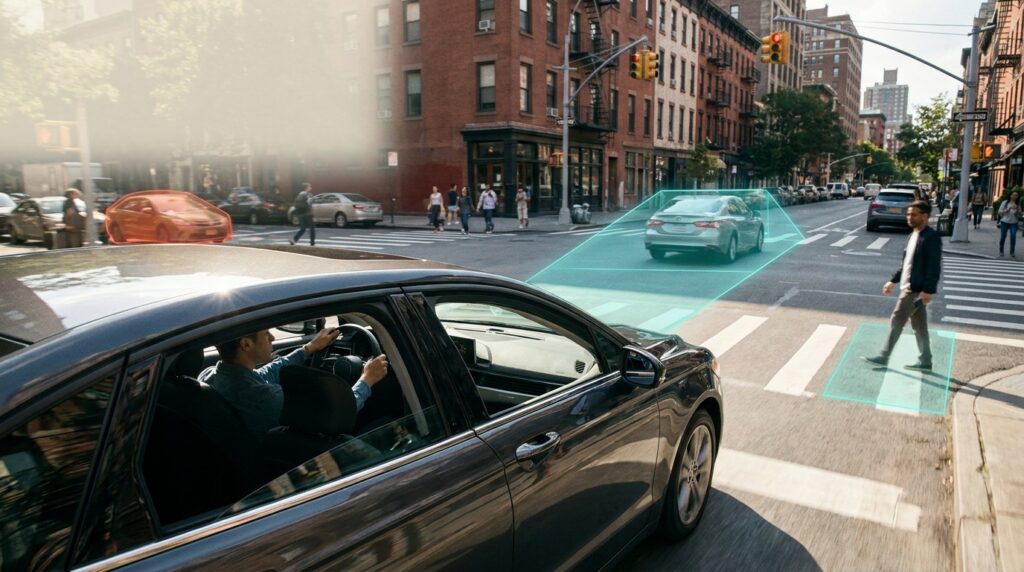
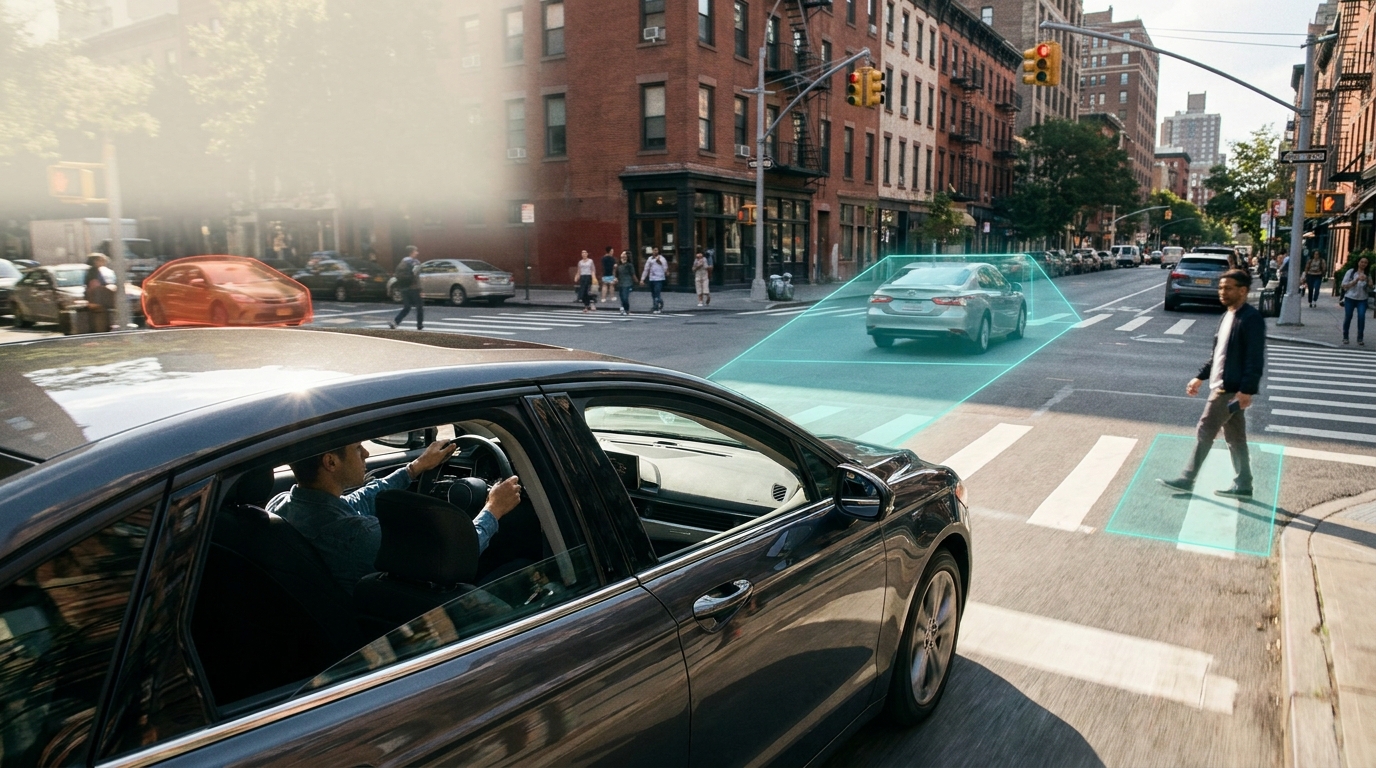
Advanced driver assistance systems are now common on new vehicles, but drivers still have a basic question: do these technologies actually make cars safer? The latest 2026 evidence suggests that many crash-avoidance features do reduce crashes. Automatic emergency braking, blind spot detection, lane support, rear automatic braking, and improved headlights can all lower risk in specific situations. However, not every feature produces the same benefit, and partial driving automation should not be confused with proven crash-prevention technology.
New research from the Highway Loss Data Institute adds useful real-world evidence. In March 2026, HLDI reported that safety benefits grew as vehicles combined more crash-avoidance features. A basic package with front automatic emergency braking was linked to fewer insurance claims. More comprehensive packages produced even larger reductions. That matters because insurance data show what happens across large numbers of vehicles outside a laboratory.
These systems still have limits. Sensors can become blocked or damaged, repairs may require calibration, and drivers can place too much trust in automation. Road Safety Journal covers these issues through our Vehicle Safety, Crash Prevention, and Driver Safety sections.
How Advanced Driver Assistance Systems Reduce Crash Risk
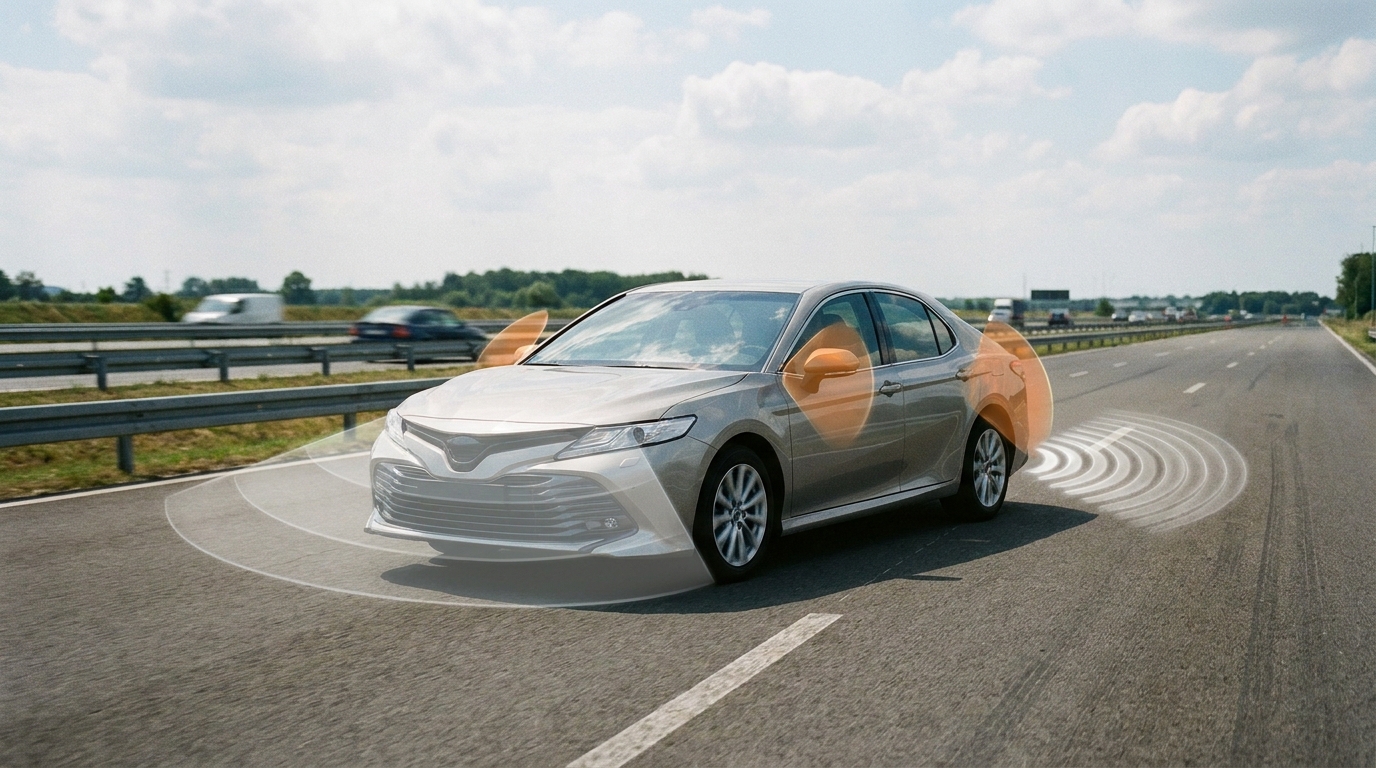
Most advanced driver assistance systems do not drive the vehicle by themselves. Instead, they monitor the road, warn the driver, or intervene when a crash appears likely. Some use cameras. Others rely on radar, ultrasonic sensors, or several sensor types working together.
Automatic emergency braking, or AEB, is one of the strongest examples. It watches for a vehicle or road user ahead and can apply the brakes if the driver does not respond quickly enough. The goal is to avoid the impact or reduce its severity.
IIHS research has found that forward collision warning combined with automatic braking cuts rear-end crashes roughly in half. Pedestrian-detecting automatic braking has also reduced pedestrian crashes. Those are meaningful safety benefits because rear-end and pedestrian crashes make up important parts of the national road-safety problem.
Automatic Braking and Larger Safety Bundles Show Real Benefits
The March 2026 HLDI study examined driver-assistance packages offered on 2015-23 Mazda vehicles. Researchers compared several bundles, ranging from basic front AEB to packages that also included pedestrian detection, adaptive cruise control, high-beam assist, lane departure features, rear AEB, and a driver-attention alert.
The basic package was associated with a 13% reduction in property damage liability claim frequency and a 9% reduction in bodily injury liability claims. In general, the reductions grew as more technologies were added. The most comprehensive bundle was associated with a 39% reduction in property damage liability claim frequency. Its estimated bodily injury claim reduction was 21%, although that result was not statistically significant.
The biggest gains appeared when updated front AEB with pedestrian detection and rear AEB joined the package. Rear AEB is especially useful in parking lots and other low-speed situations where drivers may not see an object behind the vehicle.
Blind Spot and Rear Cross Traffic Features Can Help Too
The same study evaluated several stand-alone systems. Blind spot detection combined with rear cross traffic alert was associated with nearly a 10% reduction in property damage liability claim frequency and a 13% reduction in bodily injury liability claim frequency.
Blind spot systems can warn before a lane change. Some vehicles also use steering or braking to discourage movement into an occupied lane. Rear cross traffic alerts warn about vehicles approaching from the side while backing out.
These tools do not replace mirrors, shoulder checks, low-speed scanning, or careful backing. They work best as another layer of protection.
More Technology Can Prevent More Low-Speed Crashes
Crash-avoidance systems often prevent the minor crashes that occur most frequently. A rear automatic braking system may stop a driver from backing into another vehicle. Front AEB can prevent a low-speed rear-end collision. Blind spot technology may prevent a sideswipe during a lane change.
Preventing everyday crashes matters even when injuries would have been unlikely. Each avoided collision can mean no repair bill, deductible, or disrupted trip.
That also helps explain an apparent contradiction in insurance data. Vehicles with safety sensors can cost more to repair when they do crash, yet they may generate lower overall losses because they crash less often.
Higher Repair Costs Do Not Cancel the Safety Benefit
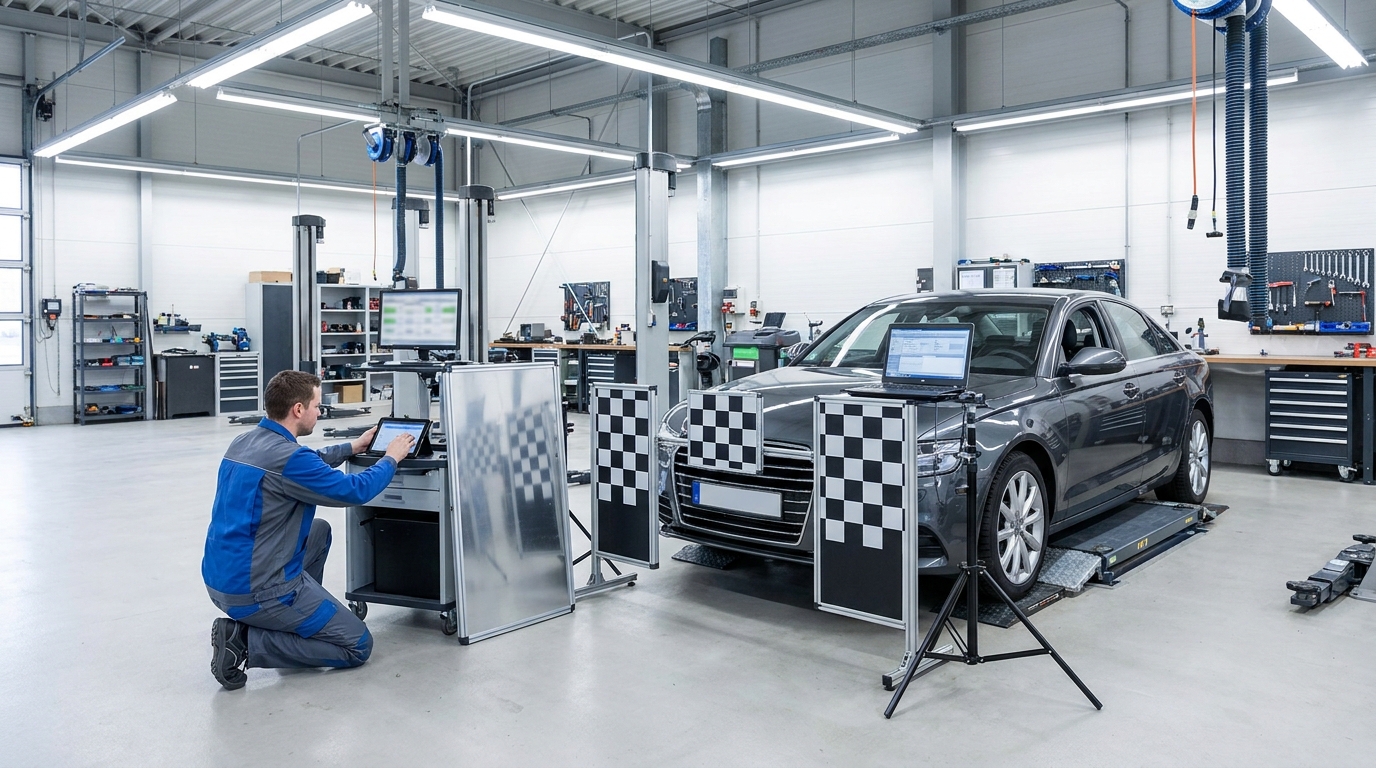
Modern sensors can make repairs more complicated. A camera mounted near the windshield may need recalibration after glass replacement. Radar units behind a bumper may need replacement or adjustment after an impact. If technicians do not restore the system correctly, the vehicle may not detect hazards as designed.
IIHS reported in August 2026 that average vehicle repair prices had risen more than 40% since 2020, but it cautioned against blaming that increase entirely on crash-avoidance sensors. Larger vehicles, sophisticated headlights, advanced powertrains, all-wheel drive, luxury equipment, and general repair inflation also contribute.
In one HLDI comparison, vehicles with a bundle of driver-assistance features had collision claim severity about 10% higher than comparable vehicles without the package. Yet collision claim frequency was about 10% lower. Property damage liability claim frequency was almost 40% lower. As a result, overall losses were lower despite the higher average cost of the crashes that still occurred.
Calibration After Repairs Is Part of Vehicle Safety
Owners should not treat calibration as optional when a manufacturer requires it. Windshield, bumper, suspension, alignment, or sensor work can affect camera and radar positioning.
After a repair, drivers should watch for warning lights or unusual system behavior. Repair shops should follow the vehicle maker’s procedures and use the required equipment.
This issue is especially important when buying a used vehicle after collision repairs. A clean-looking bumper does not prove the sensors behind it work correctly. Buyers should review repair history when available and consider a qualified inspection. Our Small Cars vs SUVs safety guide explains other factors to consider when comparing vehicle safety.
What Advanced Driver Assistance Systems Cannot Do for Drivers
Advanced driver assistance systems can prevent some crashes, but they cannot make unsafe driving harmless. AEB may not identify every object. Lane systems can struggle with faded markings. Cameras can lose visibility in glare, heavy rain, snow, fog, or dirt. Sensors also have limits at certain speeds and angles.
Drivers need to understand the difference between crash avoidance and partial driving automation. Adaptive cruise control and lane centering can control speed and steering at the same time, but the driver usually remains responsible for supervising the road. IIHS says current evidence does not show an additional crash-reduction advantage for partial automation beyond the crash-avoidance features that often come with it.
That distinction connects directly with our Driverless Car Safety in 2026 article. A fully driverless Level 4 vehicle operates under a different model from a consumer car that still expects a human to supervise an assistance system.
Driver Attention Still Determines How Well the Technology Works
A safety feature cannot help if the driver switches it off, ignores warnings, or expects too much from it. IIHS has found that most owners keep automatic emergency braking active, while some lane-warning systems are disabled more often.
Drivers should learn each feature’s operating range and limits before relying on it. They should also know how the vehicle signals a fault or asks for intervention.
This matters even more when distraction enters the picture. A driver who looks at a phone may assume the car will brake automatically. That is dangerous. Our Distracted Driving in 2026 guide explains why technology cannot replace sustained attention.
Choose Proven Crash Avoidance Before Flashy Automation
When shopping for a vehicle, prioritize features with strong evidence behind them. Front AEB, pedestrian detection, rear automatic braking, blind spot detection, lane departure prevention, and effective headlights can provide practical safety value. Check independent crash tests and system evaluations rather than relying on a product name.
NHTSA recommends several driver-assistance technologies. Its published FMVSS No. 127 standard also sets stronger automatic emergency braking requirements for nearly all new passenger cars and light trucks. The published rule sets a September 2029 compliance deadline and includes pedestrian detection requirements. NHTSA estimated that the standard could save at least 360 lives and prevent at least 24,000 injuries each year.
For official explanations of these technologies, review NHTSA’s driver assistance technology guide. For real-world crash and insurance evidence, see the IIHS research on advanced driver assistance and its 2026 study of bundled crash-avoidance features.
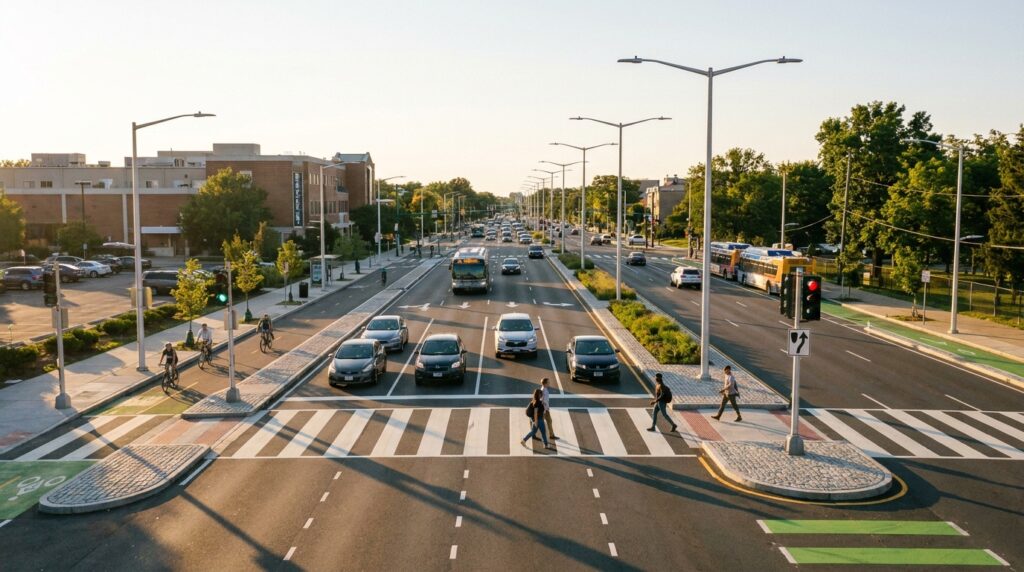
The evidence in 2026 supports a clear conclusion. Advanced driver assistance systems can make vehicles safer when the technology has proven crash-reduction benefits, remains properly calibrated, and is used as intended. Drivers should welcome the extra layer of protection without treating it as permission to stop paying attention. Safer technology works best with a responsible driver, sound vehicle maintenance, and roads designed to reduce the consequences of human mistakes.