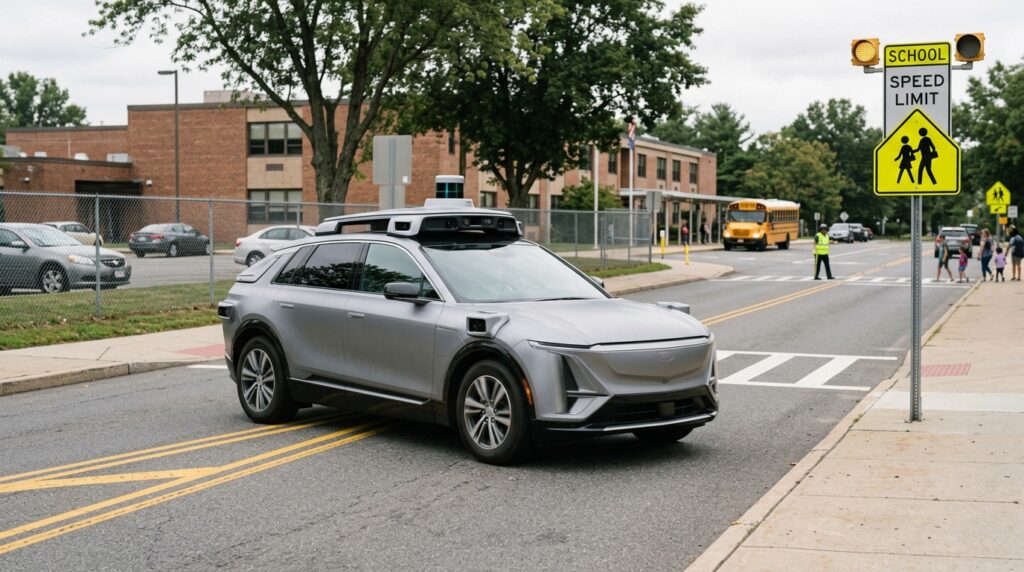
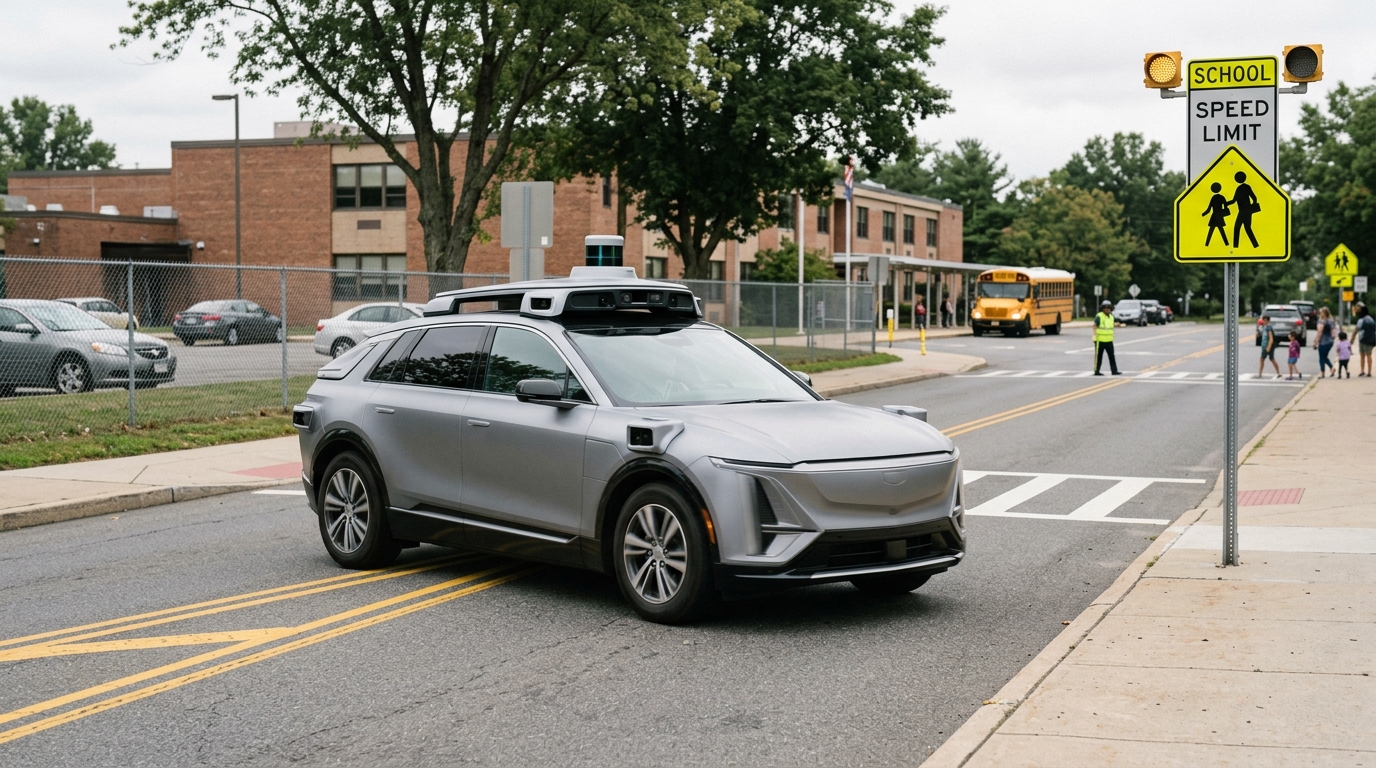
Tesla robotaxi school zone speeding allegations in 2026 have raised questions about how autonomous vehicles recognize and follow changing speed limits near schools. On October 9, the National Highway Traffic Safety Administration opened a defect-petition review involving certain 2026 Tesla Model Y robotaxis and Cybercab vehicles.
The petition alleges that vehicles operating with their automated driving systems engaged exceeded posted speed limits in active school zones. The petitioner submitted links to three videos as supporting material.
However, the federal review does not establish that Tesla vehicles have a safety defect. NHTSA must first evaluate the allegations and decide whether to grant or deny the request for a formal investigation.
The agency’s opening record identifies no associated crashes, injuries, or fatalities. This distinction matters because an allegation, a regulatory review, and a confirmed safety defect represent different stages of the oversight process.
For parents, drivers, and transportation planners, the case highlights a broader challenge: automated vehicles must respond to road rules that sometimes change according to time, location, or traffic conditions.
Why NHTSA Opened a Tesla Robotaxi Review in October 2026
NHTSA’s Office of Defects Investigation received the petition on September 23, 2026. The agency opened review DP26010 on October 9.
The petition concerns model-year 2026 Tesla robotaxis, including Model Y and Cybercab vehicles, when their automated driving systems operate.
NHTSA lists an estimated population of 1,000 vehicles. That estimate describes the population under review, not the number of vehicles proven to have violated school-zone speed limits.
What the petition alleges about active school zones
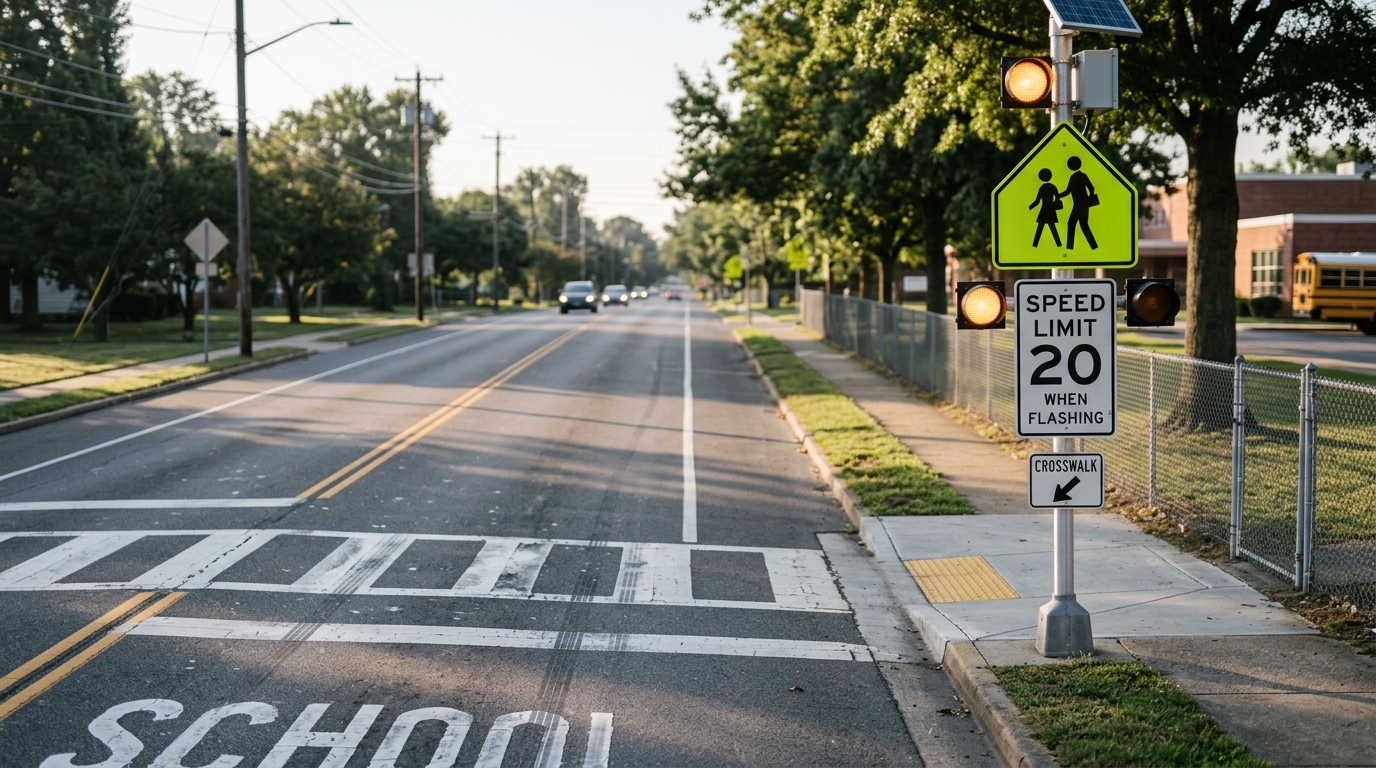
School-zone speed limits help protect children and other road users near educational facilities. Depending on local law, the lower limit may apply during posted hours, when children are present, or when warning lights operate.
According to the federal filing, the petitioner alleges that the Tesla vehicles exceeded posted speed limits in active school zones. The petition included three video links.
Video evidence can raise a legitimate safety question. Nevertheless, investigators must examine the circumstances before drawing conclusions. A recording may not reveal every relevant detail about the applicable speed limit, vehicle location, or system status.
Investigators may need to establish the vehicle’s actual speed, the rule in effect, and whether the automated driving system controlled the vehicle at that moment.
What NHTSA’s official record confirms
The opening document confirms the date, subject, products under review, estimated vehicle population, and nature of the allegations.
It also lists zero crashes, zero injury incidents, and zero fatality incidents in the petition’s failure-report summary.
Those entries do not prove that every robotaxi operates safely. They simply describe the information in this particular federal record.
NHTSA has not concluded that the vehicles exceeded school-zone limits because of a defect. Instead, the agency will evaluate the petition before deciding whether further investigation is warranted.
Readers can examine NHTSA’s official DP26010 opening document for the precise allegations and status.
For background on autonomous vehicle safety research, read our driverless car safety analysis for 2026.
Why a defect-petition review is not a recall
A defect petition allows someone to ask NHTSA to examine an alleged vehicle safety problem. The agency then considers the available information and determines whether to grant or deny the petition.
This initial review differs from a formal defect investigation, a safety finding, or a manufacturer recall.
A recall usually follows a determination that vehicles or equipment contain a safety-related defect or fail to comply with an applicable safety standard.
Therefore, readers should not describe the October 2026 petition as a confirmed Tesla robotaxi recall.
Likewise, the opening of a review does not establish wrongdoing by the manufacturer. Regulatory oversight exists partly to investigate concerns before agencies determine whether corrective action is necessary.
Why automated vehicles face difficult speed-limit situations
Many roadways use straightforward speed signs that apply continuously. School zones can create more complicated situations because their restrictions sometimes depend on additional conditions.
An automated driving system may need to recognize a sign, identify flashing lights, determine the vehicle’s location, and interpret the rule that currently applies.
Road construction, damaged signs, vegetation, poor lighting, and unusual intersection designs can add challenges.
These conditions do not excuse speeding. Instead, they show why developers must evaluate automated systems across a wide range of realistic road environments.
Reliable school-zone compliance requires more than recognizing a single posted number. The vehicle must also understand when that number governs its speed.
What the Tesla Robotaxi Review Means for School Zone Safety
School zones deserve particular attention because children may behave unpredictably near roads. Younger pedestrians can enter a crossing suddenly or have difficulty judging approaching vehicle speeds.
Drivers must watch for students, crossing guards, stopped school buses, and vehicles entering or leaving school property.
Automated vehicles face the same road environment. Their software must support safe operation within the system’s intended conditions.
However, a technology’s ability to detect pedestrians does not guarantee that it will interpret every traffic rule correctly.
How road design and vehicle technology can work together
Schools and transportation agencies can reduce risk by improving crossings, managing vehicle speeds, and making road layouts more predictable.
Clear signs and visible markings can help human drivers understand restrictions. They may also support automated systems that rely partly on visual road information.
Yet communities should not rely exclusively on signs or driver behavior. Crossing design, traffic calming, lighting, and thoughtful street layouts can provide additional protection.
A safer school zone combines several measures rather than expecting any single technology to prevent every crash.
Why school-zone speed recognition requires more than cameras
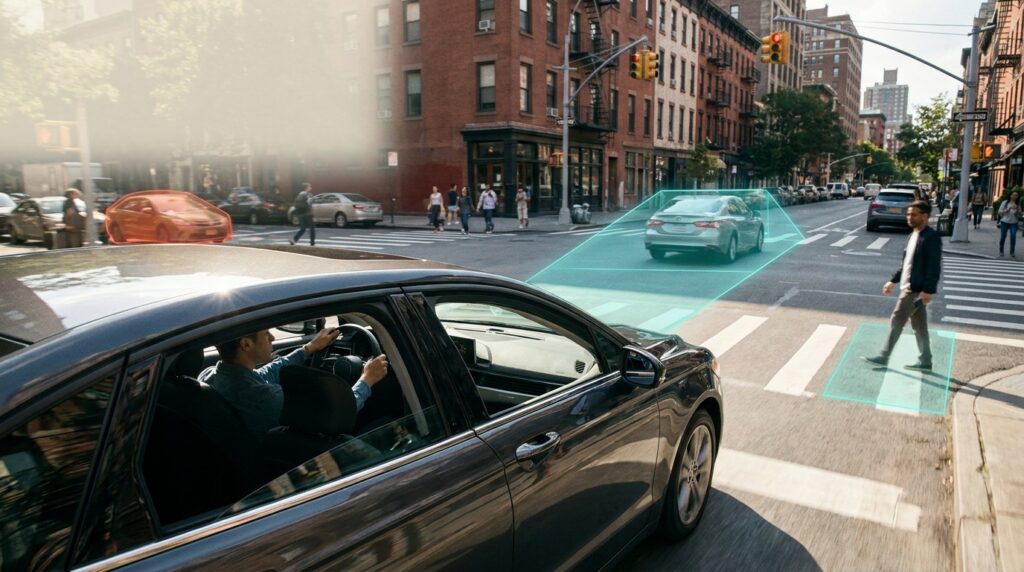
Automated vehicles may use cameras and other sensors to interpret their surroundings. Their software may also reference digital map information and vehicle positioning.
Each approach has limitations. A camera might struggle with a damaged sign or glare. Meanwhile, mapping information may not reflect every temporary change.
A system may also need to interpret a flashing beacon or a schedule printed beneath a speed-limit sign.
Engineers therefore test how the system combines different sources of information and responds when they conflict.
The October petition does not establish which technology, if any, caused the alleged behavior. Investigators would need additional evidence before identifying a specific failure mechanism.
Our 2026 driver assistance safety guide explains related issues involving sensors, crash avoidance, and system limitations.
What parents, drivers, and communities can do now
Drivers should follow posted school-zone restrictions and reduce speed when conditions require extra care. Watch for children near sidewalks, parking areas, and crossings.
Never pass a vehicle that has stopped for pedestrians at a crosswalk. Give crossing guards enough space to perform their duties.
Parents can teach children to use designated crossings, watch for turning vehicles, and wait until approaching traffic has stopped before crossing.
Schools and local agencies can review visibility problems, faded markings, blocked signs, and unsafe pickup arrangements.
Pedestrians should not assume that a robotaxi or a conventional vehicle will always recognize them.
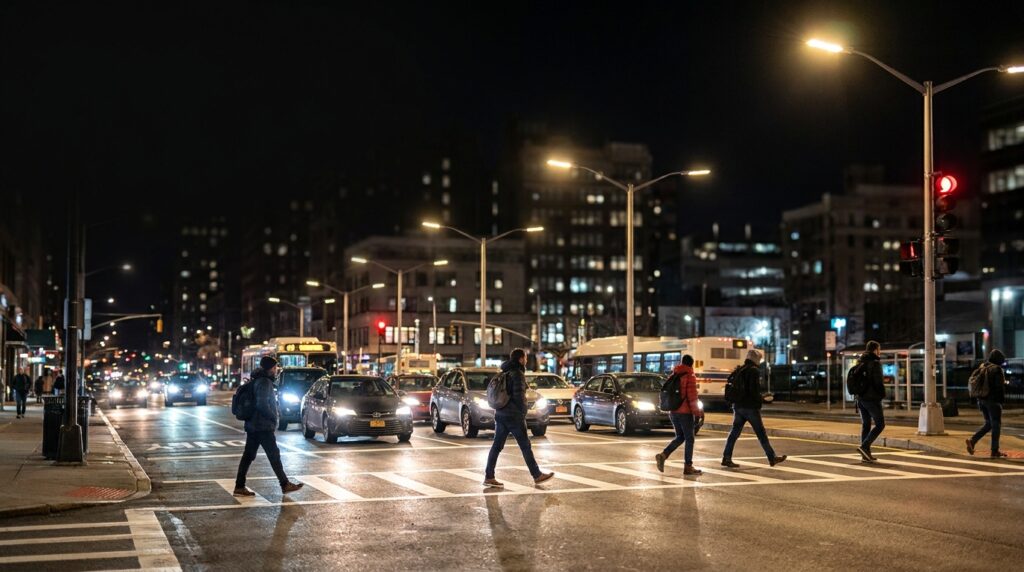
For related visibility guidance, see our pedestrian safety at night guide.
The October 2026 review may also encourage discussion about how regulators evaluate automated-driving performance near vulnerable road users.
Safety oversight requires reliable evidence. Video recordings can provide clues, but investigators may also need vehicle data, roadway information, and details about the applicable traffic rules.
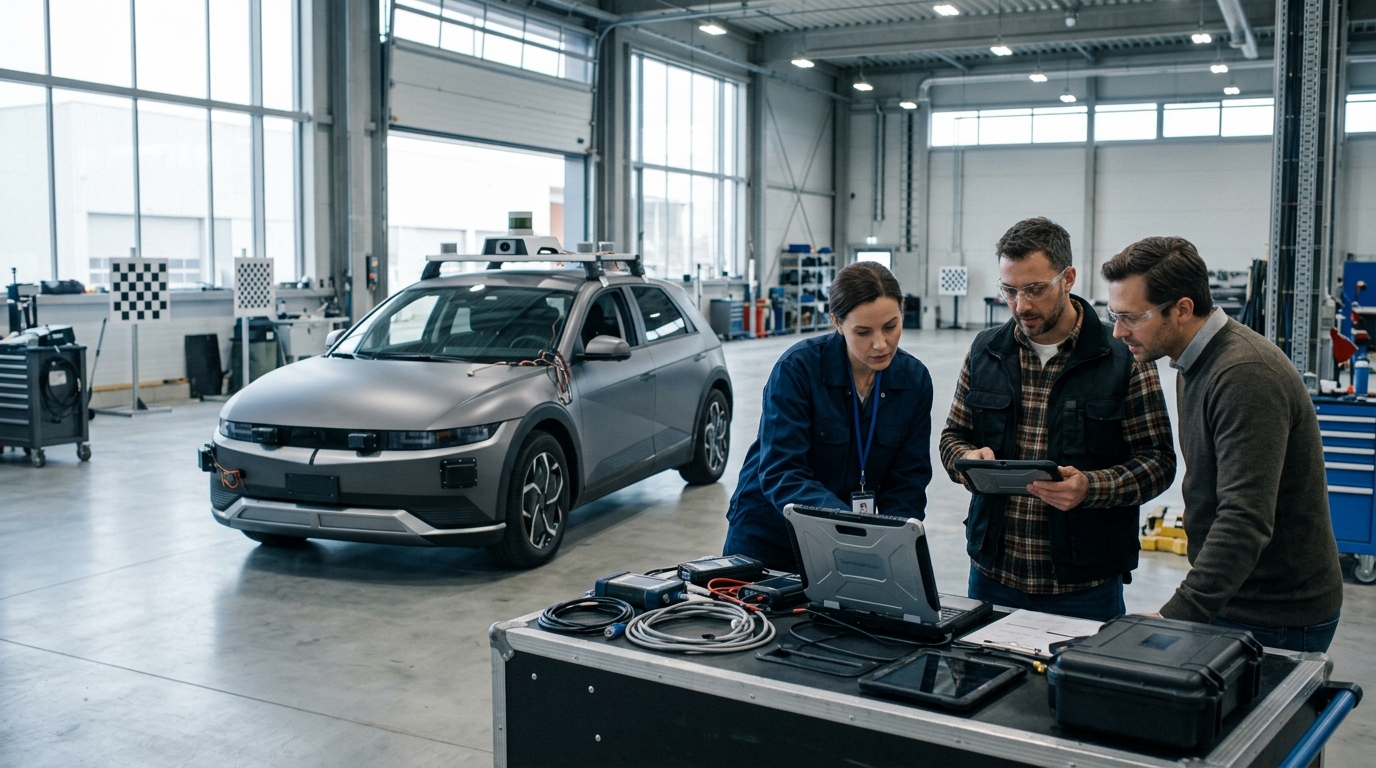
Researchers should distinguish an isolated allegation from a demonstrated pattern. They must also separate system performance questions from broader claims about whether autonomous vehicles are safer than human drivers overall.
For example, a vehicle fleet could perform well in one type of driving situation and still encounter problems in another. Good safety evaluations examine both outcomes.
Consumers should also recognize the difference between a fully automated robotaxi and a privately owned car using driver assistance.
Many consumer vehicles provide lane centering or adaptive cruise control while requiring the driver to supervise the road continuously.
Those systems should not be treated as driverless technology. Our distracted driving research guide explains why driver attention remains essential when using assistance features.
Meanwhile, NHTSA’s review remains an open regulatory question. The agency may grant or deny the petition after evaluating the evidence.
Future announcements could clarify the underlying allegations, but readers should avoid assuming what regulators will decide.
For independent guidance on roadway risks, the NHTSA pedestrian safety resource describes how road conditions, vehicle design, and road-user behavior contribute to crashes.
The Tesla robotaxi school zone speeding allegations in 2026 demonstrate why transportation innovation requires careful evaluation in real-world environments.
The federal petition raises a specific question about speed-limit compliance. It does not yet establish a confirmed defect, a recall, or an injury caused by the alleged behavior.
For communities, the broader lesson remains clear: school-zone safety requires reliable vehicle behavior, effective roadway design, appropriate enforcement, and continued attention from everyone sharing the road.
Editorial note: This article reflects information available as of October 15, 2026. NHTSA may update the review status, findings, or associated documents. Consult official records for subsequent developments.