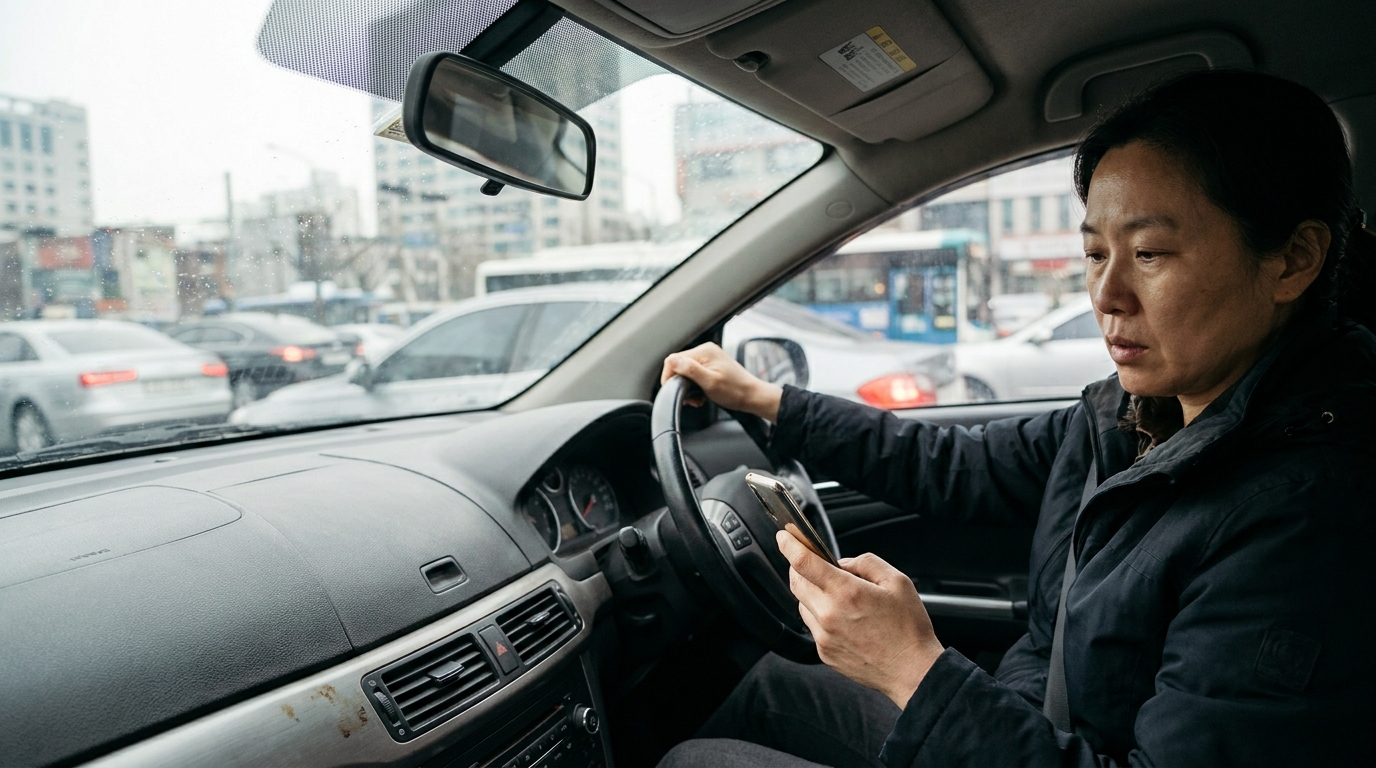
Distracted driving in 2026 remains a serious road-safety problem because many risky moments never appear in official crash records. A driver may glance at a phone, adjust navigation, read a message, or reach for a device only seconds before a collision. Afterward, investigators may have little proof that distraction played a role. That gap makes the problem harder to measure and harder to prevent.
Phone use is only one part of driver distraction. Eating, talking with passengers, changing vehicle settings, looking at roadside activity, and driving while mentally preoccupied can also pull attention away from the road. Newer vehicles add another layer. Large touchscreens and driver-assistance systems can reduce workload in some situations, but they can also create new reasons for drivers to look away
Road Safety Journal covers these risks through our Driver Safety, Vehicle Safety, and Crash Prevention hubs. The goal is simple: understand what raises crash risk, then make safer choices before a dangerous situation develops.
Why Distracted Driving in 2026 Is Still Hard to Measure
Federal crash data show that distracted driving continues to cause thousands of deaths and hundreds of thousands of injuries. The National Highway Traffic Safety Administration reports that distracted driving claimed 3,208 lives in 2024 and injured 315,167 people. Yet those figures do not capture every crash in which distraction played a role.
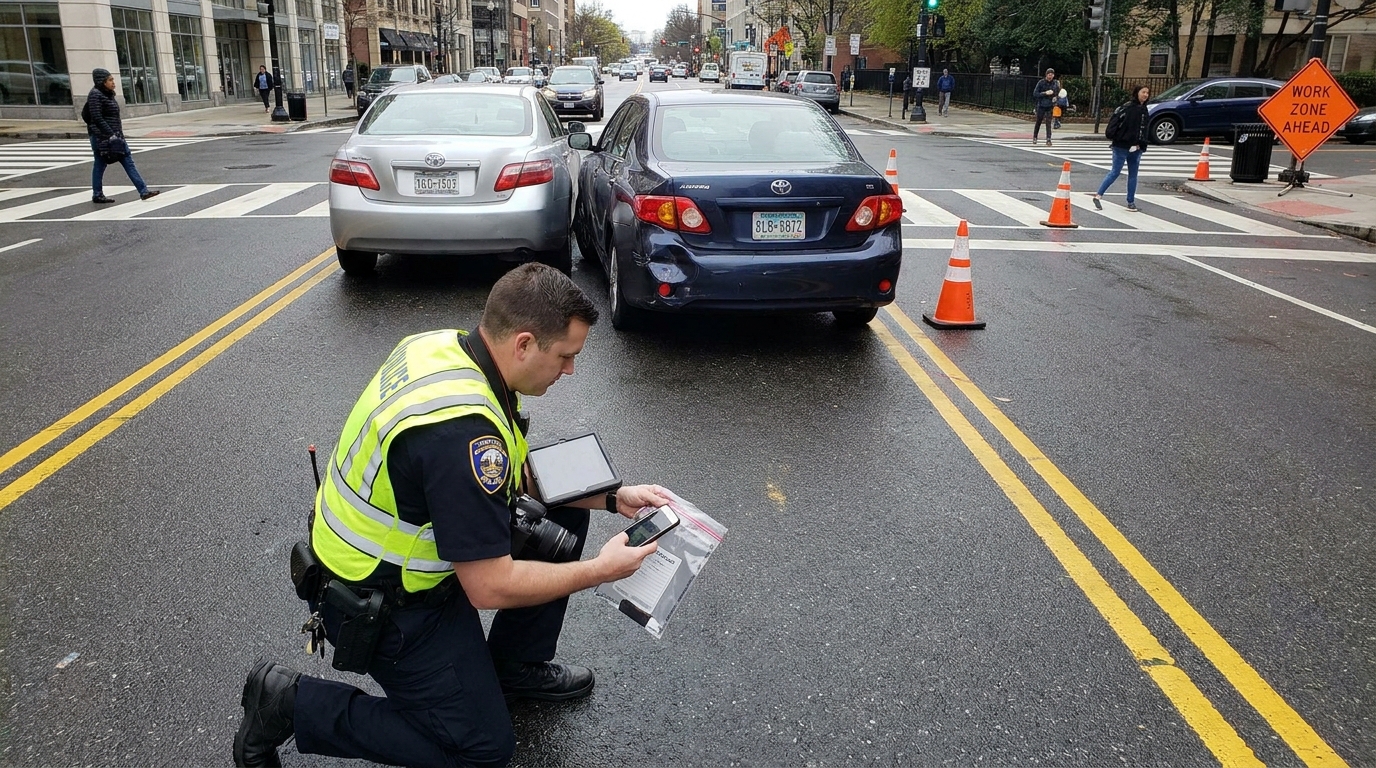
That limitation matters. Police officers usually arrive after the crash. They may see vehicle damage, skid marks, road conditions, and witness statements. They may not know whether a driver looked at a phone three seconds earlier. Unless someone saw the behavior or investigators obtain device evidence, the distraction can remain invisible.
Drivers may also use a phone without holding it. A screen can stay unlocked for navigation, music, or video. Voice calls may leave little visible evidence at the scene. This makes it difficult to separate a crash caused by distraction from a crash where phone activity happened nearby in time but did not cause the impact. Good research has to distinguish those two questions instead of treating every active phone as proof of fault.
Police Crash Reports Can Miss Phone Use
Recent research from the Insurance Institute for Highway Safety shows how large that gap can be. Researchers linked nearly 17,000 police-reported crashes with telematics data collected by safe-driving apps. The telematics records showed cellphone activity before many crashes. Police reports recorded cellphone distraction in less than 1% of the same crashes.
The study found that police reports may undercount pre-crash cellphone use by a factor of at least seven. That does not mean a phone caused every crash in which the device was active. It does show that traditional crash reports can miss a large share of phone activity that happens just before impact.
For readers who want to explore how researchers interpret crash data, our Road Safety Research section explains how evidence, reporting methods, and safety studies shape what we know about road risk.
Why Undercounting Matters
Safety agencies use crash reports to identify dangerous trends. If the data miss a major behavior, planners may underestimate the need for education, enforcement, technology, or policy changes. The public may also see an incomplete picture of the risk.
Undercounting can affect local decisions too. Communities often use crash records to decide where to focus enforcement or public-safety campaigns. Better data can help officials understand whether distraction is common on certain roads, among certain driver groups, or during specific times of day.
Five Seconds Can Change Everything
NHTSA warns that reading or sending a text can take a driver’s eyes off the road for about five seconds. At 55 mph, that is similar to traveling the length of a football field without looking at the roadway. A lot can change during that time. Traffic can stop, a pedestrian can enter a crosswalk, or another driver can merge unexpectedly.
The danger comes from more than visual distraction. Phone use can also take a driver’s hand from the wheel and shift mental attention away from traffic. One action can create visual, manual, and cognitive distraction at the same time.
Driver-Monitoring Systems Are Becoming More Important
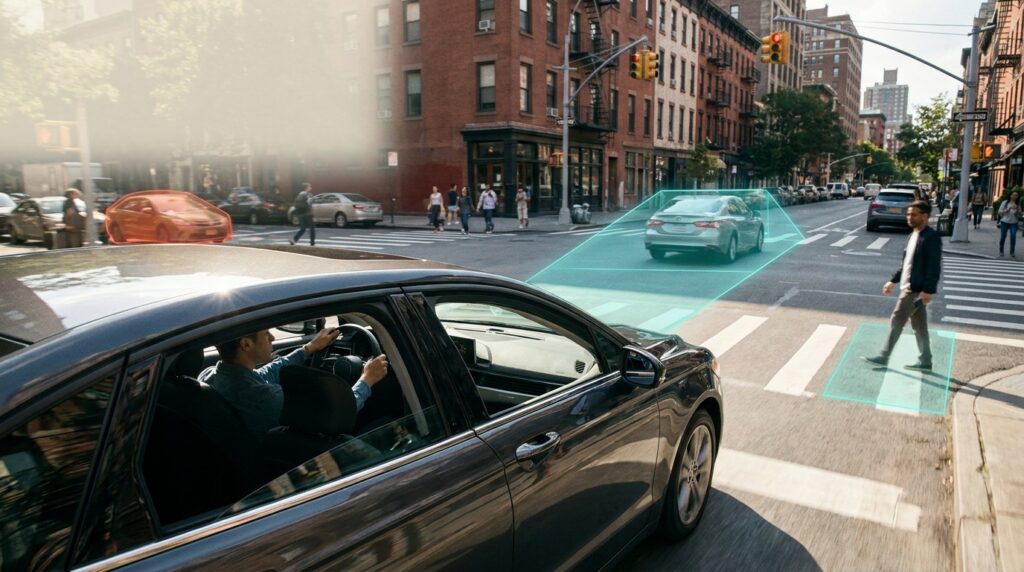
Vehicle technology now plays a larger role in the response to distracted driving in 2026. Some newer vehicles use cameras or sensors to track head position, eye direction, steering behavior, or other signs of driver attention. If the system detects repeated off-road glances, it may issue a warning.
These systems matter most when a vehicle also offers advanced driver assistance. Adaptive cruise control can manage speed and following distance. Lane-centering can help keep a vehicle positioned within its lane. Those features may reduce workload, but they do not make the driver a passenger.
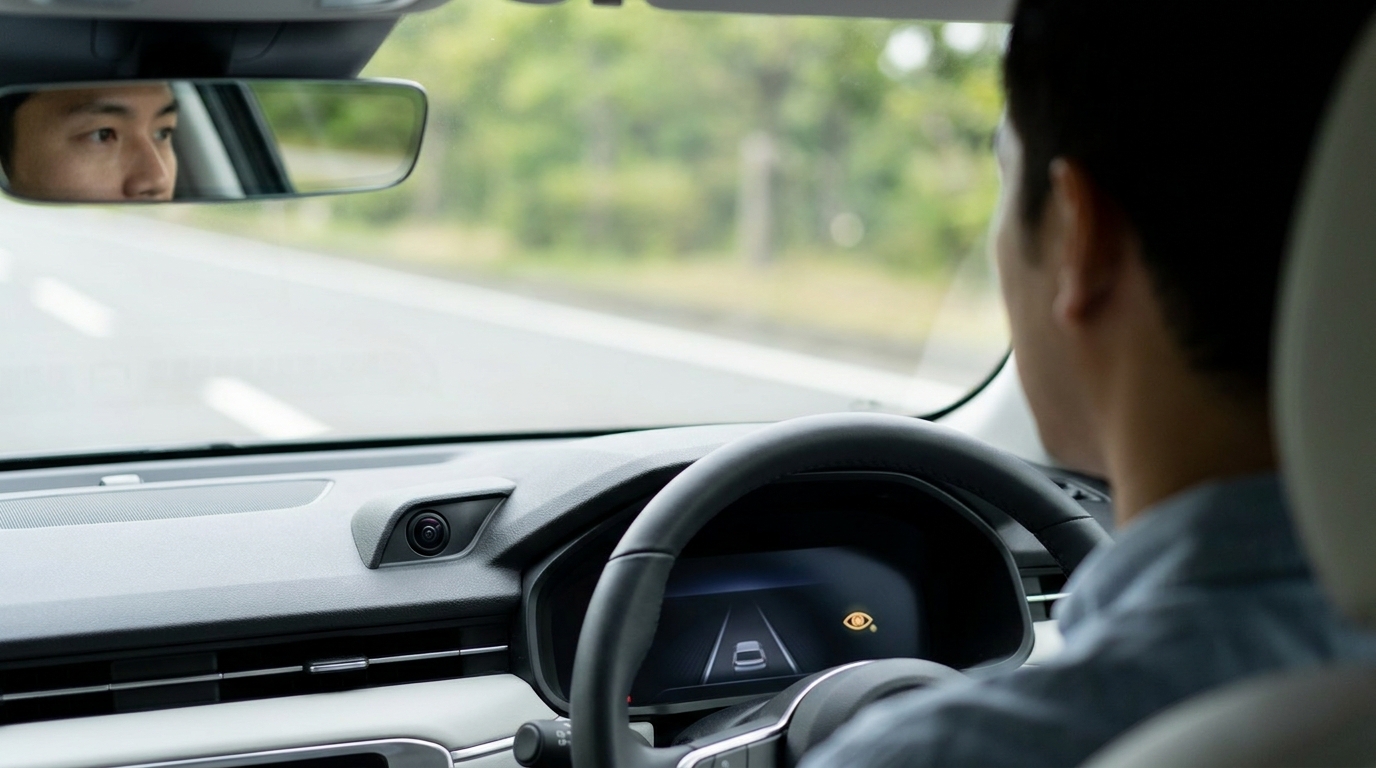
A driver still needs to watch the road and understand the limits of the system. Construction zones, faded lane markings, stopped vehicles, emergency scenes, and unusual road layouts can demand fast human judgment. If a driver becomes overconfident, assistance technology can create a false sense of security.
Hands-Free Is Not Risk-Free
Hands-free systems can reduce the need to hold or tap a phone, but they do not remove every form of distraction. A conversation can still compete for a driver’s mental attention. Voice controls can also require several attempts, especially when a system misunderstands a command.
Drivers should treat hands-free tools as a way to reduce physical interaction, not as proof that multitasking is safe. The safest approach is to finish nonessential tasks before the vehicle starts moving. If something needs more attention, stop in a safe and legal place.
How to Reduce Distracted Driving in 2026
Preventing distracted driving in 2026 starts before the trip. Drivers can set a destination, choose music, adjust mirrors, secure loose items, and silence unnecessary notifications before moving. Those small steps remove common reasons to reach for a device later.
Phone settings can help as well. Many smartphones include a driving mode that limits notifications or sends automatic replies. Drivers can place the phone in a bag, center console, or another location that is not easy to reach. A passenger can handle navigation or messages when one is available.
Road rules also matter. States use different restrictions for handheld devices, texting, young drivers, and other forms of phone use. Our Road Laws & Regulations hub can help readers understand common rules, but drivers should always verify current requirements with an official state or local source.
Build a Distraction-Free Driving Routine
A simple routine can make safer behavior automatic. Before starting, set the route and put the phone away. Fasten the seat belt. Check mirrors. Adjust the climate controls. Then start the trip. Doing these steps in the same order reduces last-minute tasks that can steal attention.
Families can use the same approach with teen drivers. Parents can model phone-free driving and avoid calling or messaging a family member when they know that person is on the road. Employers can also help by creating policies that do not expect workers to answer messages while driving.
Passengers have a role too. They can manage navigation, adjust music, or wait until the vehicle stops before showing the driver a message or photo. Small choices from everyone in the vehicle can protect the driver’s attention.
Drivers should also plan for predictable distractions. Parents can organize snacks and child supplies before leaving. Pet owners can secure animals properly. Delivery and rideshare drivers can set up mounts, routes, and work apps while parked. These steps reduce the urge to reach, search, or tap while the vehicle is moving. A safer routine works best when it removes the distraction instead of relying on willpower in the middle of traffic.
Make Attention the Default
The strongest safety habit is to treat driving as the only task that matters while the vehicle is moving. Driver-monitoring systems, crash-avoidance technology, and stricter phone laws can help. None of them can replace an attentive driver.
The newest research also shows why better data matters. If police reports miss phone use, researchers and safety agencies need other ways to understand the problem. Telematics, observational studies, and improved reporting can reveal patterns that traditional crash data may overlook.
Distracted driving in 2026 will continue to evolve as phones, dashboards, and vehicle automation change. The safest principle will not. Keep your eyes on the road, your hands ready to control the vehicle, and your mind focused on traffic. For more guidance, explore our Crash Prevention resources and the latest Road Safety Journal articles.
For authoritative national guidance, review NHTSA’s distracted-driving guidance and IIHS research on cellphone use before crashes.